Is Professional Window Treatment Cleaning Beneficial? A Do-It-Yourself Point of View
As we consider upholding a neat and healthy home, numerous individuals tend to disregard their curtains. These pieces of fabric not only elevate the decorative charm of your living space but get to work as protectors of indoor air quality, catching dirt, irritants, and even fungi. Eventually, soiled curtains can collect dust mites, pet dander, dead skin cells, and other harmful microbes, leading to potential respiratory problems such as asthma and other allergic reactions. With this in mind, the question presents itself: whether the service of professional curtain cleaning worth the investment, or can a DIY approach be equally effective?
In this article, we will delve into the multiple methods of curtain cleaning to help you decide which option is suitable for you. We will examine how to properly eradicate stains and dust from your curtains and the effect of hygiene on your home's air quality. Whether you have opted for washing curtains at home or hiring a professional service, realizing the pros and cons of each method is essential to making sure your curtains not only appear nice but also support a better indoor quality. Let's explore the best curtain cleaning methods available and find out how you can maintain the cleanliness of your curtains with ease.
Grasping the Hazards of Unclean Curtains
Dirty curtains can be a latent source of wellness issues in your home. Over time, they accumulate dust and stains, providing a habitat for fungi and mold. These microorganisms thrive in the fibers of your curtains, particularly in humid environments, leading to potential breathing issues. The presence of mold can exacerbate allergies and asthma, adversely affecting indoor air quality and making it uncomfortable for those sensitive to allergens.
Beyond mold, dirty curtains hold a variety of allergens, including dust mites, pet dander, and dead skin cells. These pollutants can trigger allergic reactions and worsen respiratory issues. When the airflow in your home passes through the curtains, it can circulate these allergens throughout your living space, contributing to a decline in hygiene and overall air quality. Frequent cleaning is crucial for maintaining a clean environment, particularly for individuals with current health conditions.
Moreover, neglected curtains can also appear visually inconsistent with decor, affecting the overall aesthetic of your home. Stains and buildup of grime can lessen the beauty of your home decor, creating an unsightly appearance that detracts from your living space. Realizing the risks associated with dirty curtains underscores the importance of routine cleaning, whether through specialized means or DIY methods, to ensure a cleaner ambiance in your home.
Effects of Window Treatments on Interior Air Quality
Drapes serve not only as ornamental features but also play a crucial role in indoor air quality. Over time, they accumulate dust, spots, and numerous allergens such as pet dander and skin flakes. These substances can contribute to airway issues, including asthmatic conditions and other respiratory problems, particularly for individuals with sensitivities. Regularly cleaning curtains helps maintain a more wholesome living environment by reducing the presence of these pollutants.
Moreover, drapes can be a breeding ground for mold and mildew due to trapped moisture and debris. Fungi and mold thrive in dim, damp areas, making curtains, especially in sticky climates, vulnerable to these issues. This not only affects the cleanliness of your home but can also release spores into the air, further degrading air quality and posing risks to your well-being. Techniques that efficiently remove these impurities are essential to preserve both hygiene and well-being.
Lastly, the air quality in your home is greatly impacted by the cleanliness of your drapes. Filthy curtains can lead to stagnant air and subpar ventilation, causing discomfort and worsening sensitivity. By employing the best curtain cleaning method, whether expert or DIY, homeowners can ensure that their homes remain clean and airy. Routine maintenance of drapes not only enhances visual charm but also significantly contributes to a more salubrious interior atmosphere.
Do-It-Yourself Curtain Cleaning Methods
When it comes to cleaning your draperies, several effective DIY techniques can help maintain their look and cleanliness. For regular upkeep, vacuuming is crucial. Use a fabric attachment to gently eliminate dust, dead skin cells, and allergens such as pet dander and dust mites that accumulate on your draperies. This helps improve interior air quality and reduces the chance of respiratory problems, especially for those with breathing issues or allergies.
For more detailed cleaning, washing curtains is an excellent option. Check the care tag first to understand the fabric type and washing instructions. Most machine-washable draperies can be cleaned with a mild detergent. Use cold water to prevent shrinkage and fading. If your draperies are seriously stained or have mold and mildew, consider soaking them in a mixture of water and white vinegar, which is powerful for battling fungi and removing stains.
Steaming is another effective DIY curtain cleaning method. It not only sanitizes but also helps to refresh the fabric. You can use a portable steamer to eliminate dust and allergens while also tackling wrinkles. This method is particularly useful for delicate materials that cannot handle traditional washing, as it provides a gentle yet successful cleaning solution while maintaining the quality of your curtains.
When to Consider Specialized Cleaning
If your drapes are heavily soiled with dirt and blemishes, it may be time to consider professional cleaning. Unclean curtains can trap allergens such as feline or canine allergens, shed skin cells, and mites, which can negatively affect indoor air quality and cause lung conditions like bronchial problems. Experts have the equipment and expertise to thoroughly eliminate these impurities, restoring both the appearance and sanitation of your curtains.
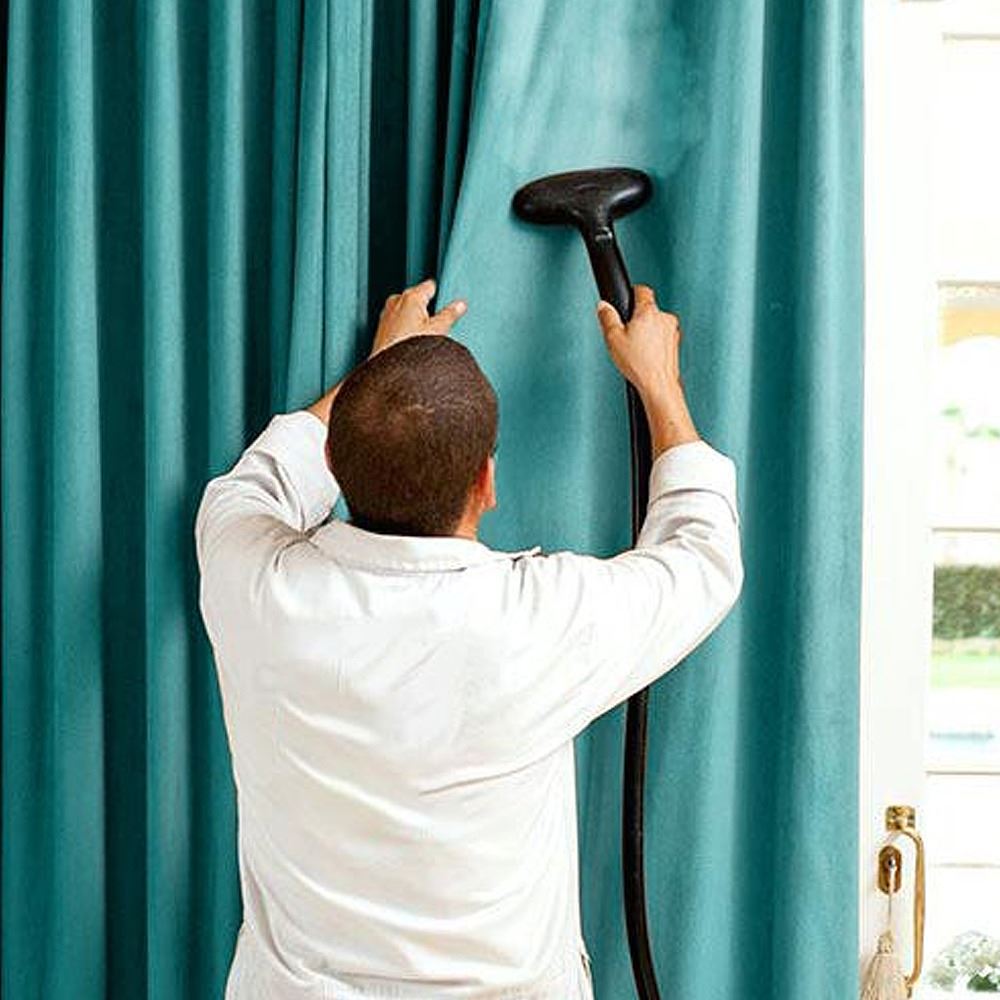
In furthermore to apparent soil, if you suspect the presence of mold, mycelium, or fungus in your curtains, professional cleaning is crucial. These issues can be hard to tackle with DIY methods and can deteriorate if not handled correctly. Professionals can effectively manage and eliminate these harmful mold colonies, ensuring that your home remains a healthy place for you and your family.
Finally, if your drapes are made of delicate fabrics or have complex designs, it is advisable to seek professional help. Particular textiles require dedicated care that may not be possible with normal laundering procedures. Experts understand the best cleaning approaches for various fabric types, preserving their structure while providing a thorough wash that enhances both their appearance and lifetime.
Conclusive Considerations on Curtain Hygiene
Keeping clean curtains is vital for a clean indoor environment. Curtains can collect dust, allergens, and even mold over time, which can harm air quality and result in respiratory problems. Regular cleaning is required not just for aesthetics but for hygiene, as dirty curtains can harbor dust mites, pet dander, and dead skin cells. curtain cleaning service near me affects the visual of your home but can also aggravate asthma and other allergies.
When deciding between professional curtain cleaning and a DIY approach, evaluate your personal circumstances. Professional services can offer thorough cleaning methods that effectively tackle stubborn stains and deep-seated allergens, especially in cases of significant mold or mildew growth. However, if you are looking for a wallet-friendly solution and your curtains are minimally soiled, washing them at home may be sufficient. Acquainting yourself with the best curtain cleaning method for your fabric can make a huge difference in both cleanliness and longevity.
Ultimately, the decision between professional cleaning and DIY methods hinges on your specific needs, budget, and the condition of your curtains. Strive to prioritize curtain hygiene to ensure a healthy living space, and note that maintaining clean curtains is an important part of overall home care. Whether you decide to take on this task yourself or hire help, regular attention to your curtains will contribute positively to your indoor air quality and overall well-being.