Drapes and Air Quality: Reasons Why Routine Cleaning Must Be a Priority
As it pertains to maintaining a well-maintained home environment, the focus often shifts to bigger surfaces like the flooring and furnishings. However, an just as important element that requires attention is the drapes hanging in our windows. Over time, these apparently harmless fabric adornments can become a nest for dust and stains, fostering an unsafe mix of allergens, pet dander, and even mold. You might be astounded to learn just how much effect dirty curtains can have on your air quality indoors and overall health.
Routine curtain cleaning is vital in combating respiratory problems such as asthma, which can be worsened by the presence of dust mites, fungi, and mildew. These irritants thrive in the fabric where dead skin cells collect, leading to a lowered hygiene level in your home. By prioritizing the cleaning of your curtains, you are not only enhancing the visual appeal of your living space but also taking a noteworthy step towards improving the air quality you breathe every day. Knowing the best curtain cleaning methods is important, and this guide will provide you with the knowledge to keep your curtains spotless and your home healthy.
The Effects of Drapes on Indoor Air Quality
Window Treatments, while often overlooked, hold a crucial role in influencing the interior air quality of a home. They can collect dust and stains over time, transforming into a nest for allergens such as mites, animal hair, and dead skin cells. These particles not only collect on the exterior but can also penetrate deeper into the material, making them challenging to remove without suitable cleaning. When agitated by movement or air circulation, these irritants can be emitted back into the atmosphere, causing breathing issues and worsening conditions like asthma.
Moreover, dirty curtains can foster the proliferation of fungi, mold, and dampness, notably in spaces with high humidity. Mold and fungi flourish in the shadow and dampness that can sometimes accumulate on window treatments, particularly those that are rarely washed or tended. The existence of these substances can further compromise the quality of indoor air, leading to disagreeable scents and potential health hazards for the occupants of the home. curtain cleaning near me to these pollutants can trigger allergies and breathing problems, making effective curtain cleaning crucial.
By incorporating regular cleaning into your household maintenance routine, you can dramatically boost the air purity in your home. Employing the best curtain cleaning practices helps to eradicate dust, irritants, and any development of mildew from your drapes. This not only boosts the sanitation of your space but also adds to a healthier interior atmosphere, permitting you and your family to breathe more freely and live comfortably.
Common Irritants Trapped in Drapes
Curtains often act as a collector for various irritants that can significantly impact interior air quality. Dirt and stains accumulate over time, creating a breeding ground for dust mites and other undesirable particles. These little organisms thrive in hot, moist environments and can produce allergens that trigger respiratory problems, such as asthma. If allowed dirty, soiled curtains become a continuous source of irritation for those with allergies.
Moreover, curtains can harbor mold and mildew, especially in locations with elevated humidity levels. The presence of mold spores in your home can cause severe health issues, particularly for individuals with weakened immune systems. Mold flourish in dirty and humid conditions, and with drapes being one of the most overlooked items in our cleaning schedule, they can become a significant factor to indoor air pollution.
In addition to dust mites and mold, curtains collect dead skin cells and pet dander, further complicating the air quality in your house. These irritants drift into the air and can worsen reactions and respiratory issues. Regular washing and cleaning of curtains is essential to remove these pollutants and ensure a healthier living environment, emphasizing the significance of a thorough curtain cleaning process as part of your home's hygiene routine.
The Importance of Dust Mite and Fungi
Dust mites are tiny creatures that flourish in our houses, particularly in textiles like curtains. These small pests consume human skin cells, animal dander, and various organic particles that gather over time. When drapes are not frequently cleaned, they become a breeding site for dust mites, leading to higher contact for household members. This risk can subsequently contribute to sensitivity, respiratory issues, and various breathing difficulties, making it essential to prioritize regular cleaning.
Mold and mildew, including fungi and mildew, are an additional concern associated with neglected curtains. When debri, wetness, and biological matter interact, they create an ideal environment for mildew to grow. Spores of mold can easily spread through the air, significantly impacting indoor atmosphere. Individuals with compromised immune systems, allergies, or lung conditions may experience increased symptoms due to these molds, underlining the importance of ensuring sanitation in all areas of the home, including drapes.
By adopting a proper method for cleaning curtains, residents can successfully remove dust, allergy-causing agents, and fungi from their households. Frequent laundering of drapes not only removes dust mites and fungi and mildew but also improves overall air quality. Choosing the most suitable approach to curtain care specific to the curtain material will ensure that your window treatments remain as well visually appealing but also beneficial for health.
Practical Drape Cleaning Methods
Regarding maintaining clean curtains, the method selected can significantly impact not only their appearance but also the general air quality in your home. One of the most effective ways to remove dust and allergens, including dust mites, pet dander, and dead skin cells, is through routine steaming. Steaming curtains effectively kills mold and mildew while also dislodging embedded dirt. For homes affected by allergies or respiratory problems like asthma, this method can considerably reduce irritants in the air, promoting better indoor air quality.
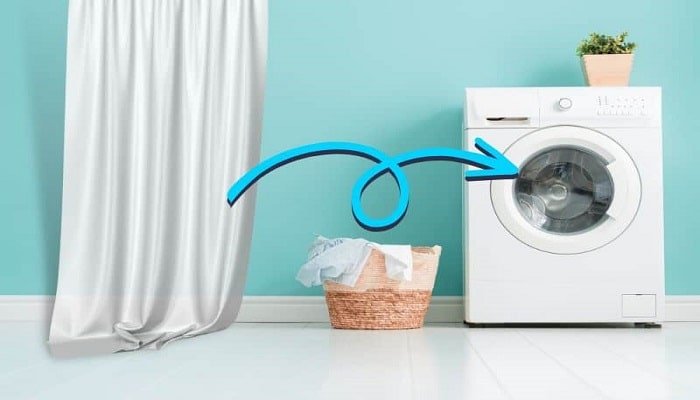
Another effective technique is washing curtains according to the manufacturer's instructions. Most curtains are made from materials that can withstand washing, which helps to eliminate not only dust and stains but also harmful fungi that can thrive in dirt. Using a gentle detergent during a wash cycle can additionally enhance hygiene. It is advisable to check for specific cleaning guidelines to ensure the fabric remains intact while achieving a deep clean that can refresh the look and feel of your curtains.
For delicate fabrics or those that require special treatment, dry cleaning is often the best curtain cleaning method. Professional services can eliminate tough stains while also ensuring that the fabric is handled appropriately to prevent damage. This method is especially beneficial for curtains that could be harmed by water and detergent. Regularly scheduled professional cleaning can help in managing the buildup of allergens and other harmful elements, ultimately contributing to a more wholesome living environment.
Upholding Cleanliness and Preventing Respiratory Issues
Maintaining proper hygiene in your home is essential for fostering a clean living environment, especially when it comes to the curtains. With time, curtains can accumulate dust, stains, and allergens such as pet dander, dead skin cells, and dust mites. These particles can dramatically impact indoor air quality, leading to a less pleasant atmosphere and potential respiratory problems. Routine curtain cleaning is a crucial step in clearing out these contaminants, helping to make certain your home remains a safe haven.
Mold, fungi, and mildew are common problems that can arise from dirty curtains, particularly in moist conditions. Such harmful microorganisms can thrive in the fabric of your curtains, dispersing spores into the air that can aggravate allergies and asthma symptoms. By implementing a regular curtain cleaning method, you can successfully eradicate these threats, lower the risk of respiratory illnesses, and boost overall hygiene in your living space.
Adding a reliable curtain cleaning guide into your home maintenance routine will not only boost air quality but also prolong the lifespan of your curtains. Using the best curtain cleaning methods can help eliminate stubborn stains and odors while making sure that your curtains look their best. By prioritizing curtain cleaning, you contribute to a cleaner atmosphere for you and your family, encouraging better respiratory health and overall well-being.