Drape Dilemmas Resolved: Successful Drape Cleaning Techniques
Drapes often take a backseat when it comes to regular household cleaning, but they play a crucial role in ensuring a healthy home environment. Over time, dirt, allergens, and stains build up on these fabric fixtures, turning your once clean curtains into a breeding ground for dust mites, mold, and fungi. For residents, understanding how to maintain curtains effectively is important not just for aesthetic reasons, but for promoting better indoor air quality and hygiene.
When curtains hold dust and dead skin cells, they can worsen respiratory problems and allergies, particularly for those suffering from asthma. Unclean curtains can catch pet dander and other pollutants, contributing to an environment that is not conducive for your health. In curtain cleaning service near me detailed guide, we will discuss various curtain cleaning methods to help you remove dust and stains, tackle mold and mildew, and keep your living spaces fresh and welcoming. Get ready to change your curtains from dirty to dazzling, ensuring your home remains a comfortable haven for you and your family.
Grasping Curtain Pollutants
Drapes play a important role in our homes, not just as ornamental elements but also in preserving the indoor environment. However, they can accumulate a multitude of contaminants over time. Dirt and stains are among the most frequent issues faced by homeowners. As curtains suspend and engage with airflow, they collect particles from the surrounding environment, such as dust, dead skin cells, pet dander, and allergens. This buildup can lead to dirtiness and give a musty odor to the fabric.
In addition to dust, curtains can contain fungi and mold, especially in moist conditions. These microorganisms flourish in wet environments and can proliferate on curtains that are not regularly cleaned. This can pose serious health risks, particularly for individuals suffering from asthma or respiratory problems. Fungi and mildew not only impact hygiene but also contribute to substandard indoor air quality, making it crucial to resolve these issues promptly.
Cleaning drapes is not just about aesthetics; it directly impacts the health and well-being of the residents of the home. Routine cleaning reduces the presence of dust mites and allergens, aiding to maintain higher air quality. Recognizing what contaminants are present on your drapes is the first step in selecting the best curtain cleaning method. By tackling these issues systematically, homeowners can create a more wholesome living environment and increase the life of their window treatments.
Effects of Grimy Drapes
Unclean curtains are not only an issue of looks; they can significantly impact your health. Built-up dust and stains draw in allergens such as dust mites, pet dander, and dead skin cells that can lead to respiratory issues. For individuals with asthma or additional respiratory problems, these concealed irritants can worsen symptoms and result in discomfort at home.
Furthermore, curtains that are not cleaned regularly can become breeding grounds for fungi and mold. These microbes prosper in damp environments and can release spores into the air, diminishing indoor air quality. Exposure to mold can lead to respiratory distress, allergic reactions, and other health complications, making it essential to maintain hygiene in your home.
In conclusion, the presence of these pollutants can have a enduring effect on your overall health. Poor indoor air quality, exacerbated by grimy drapes, can result in fatigue, decreased productivity, and long-term health issues. Regular cleaning of your curtains not only improves the look of your home but also fosters a healthier environment for you and your family.
Optimal Drape Cleaning Techniques
When it comes to upkeeping the hygiene of your living space, cleaning curtains is a vital task that must not be neglected. curtain cleaning service kl and stains can accumulate on curtains over time, collecting allergens like mites, pet hair, and even skin flakes. To successfully address these issues, recognizing the most effective curtain cleaning method is essential. Regular cleaning not only improves the appearance of your drapes but also boosts indoor air quality, reducing the likelihood of respiratory problems such as breathing issues.
One effective method for washing drapes is to consult the care label for specific instructions. Many fabric drapes can be safely machine washed, but fragile materials may require hand washing or dry cleaning. For machine-washable drapes, use a gentle cycle with cold water and a mild detergent to eliminate dust and spots. Adding a cup of vinegar can help break down any stubborn residues while also combating mold and mildew growth. Always ensure to dry naturally your curtains to avoid warping and maintain their shape.
For curtains that cannot be laundered, steam cleaning is an excellent alternative. A small steamer can efficiently remove allergens and fungi while also freshening the fabric. This method is particularly good for bulky drapes that may not fit in a washer. Additionally, vacuuming drapes with a brush attachment regularly can help reduce the accumulation of allergens and keep your living space clean. By adhering to these caring strategies, you can ensure that your curtains remain hygienic, healthy, and cohesive to your home design.
Avoiding Future Accumulation
To ensure tidy curtains and stop the build-up of dust and stains, routine maintenance is essential. Vacuuming your curtains once a week using a soft brush attachment aids get rid of dust mites, dead skin cells, and allergens such as pet dander. curtain cleaning service kl makes your curtains looking fresh but also enhances better indoor air quality by lowering airborne particles that can exacerbate asthma and other respiratory problems.
In addition to vacuuming, you might want to setting up a cleaning schedule that features washing your curtains every few months, based on your environment. For homes with pets or high allergens, increased cleaning may be necessary. Select the best curtain cleaning method suited for your fabric, whether it includes machine washing, hand washing, or professional cleaning. This proactive approach will help to eliminating mold, mildew, and fungi that can thrive on dirty curtains.
Lastly, enhancing your home’s air quality can greatly reduce the possibility of build-up on your curtains. Using air purifiers, keeping windows open for ventilation, and regulating humidity levels can reduce dust, allergens, and other pollutants. Additionally, make sure your Living Space is decluttered and cleaned regularly to reduce the sources of dust that can settle on your curtains, ultimately fostering a healthier home environment.
Maintaining Interior Atmosphere Quality
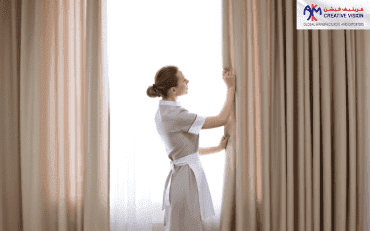
Maintaining your home’s interior air quality at its optimal involves regular care of each household elements, including curtains. Drapes can harbor dust and smudges, as well as irritants like mites, pet dander, and skin flakes. These elements can significantly affect your home’s sanitation and lead to breathing issues, particularly for people with respiratory conditions or other breathing issues. It is crucial to maintain your drapes frequently to reduce these dangerous elements.
In addition to dirt and allergens, unclean drapes can also form mold and mildew if not cared for adequately. These fungi prosper in wet environments and can disperse contaminants into the air, compromising air quality. Regular cleaning can stop the increase of these elements, assuring that your window treatments improve, rather than hinder from, the atmosphere in your home. Selecting the most suitable drape cleaning method for your fabrics is vital for maintaining their quality and functionality.
To maintain ideal atmosphere, residents should include drape maintenance into their general cleaning schedule. Maintaining drapes in line with the producer's guidelines, or using appropriate curtain cleaning strategies, will aid to remove dust and irritants effectively. Consistently maintaining your curtains not only ensures them appearing fresh but also contributes to a safer household for you and your household.